Hazardous chemicals

Safety regulations and production standards for caustic soda.

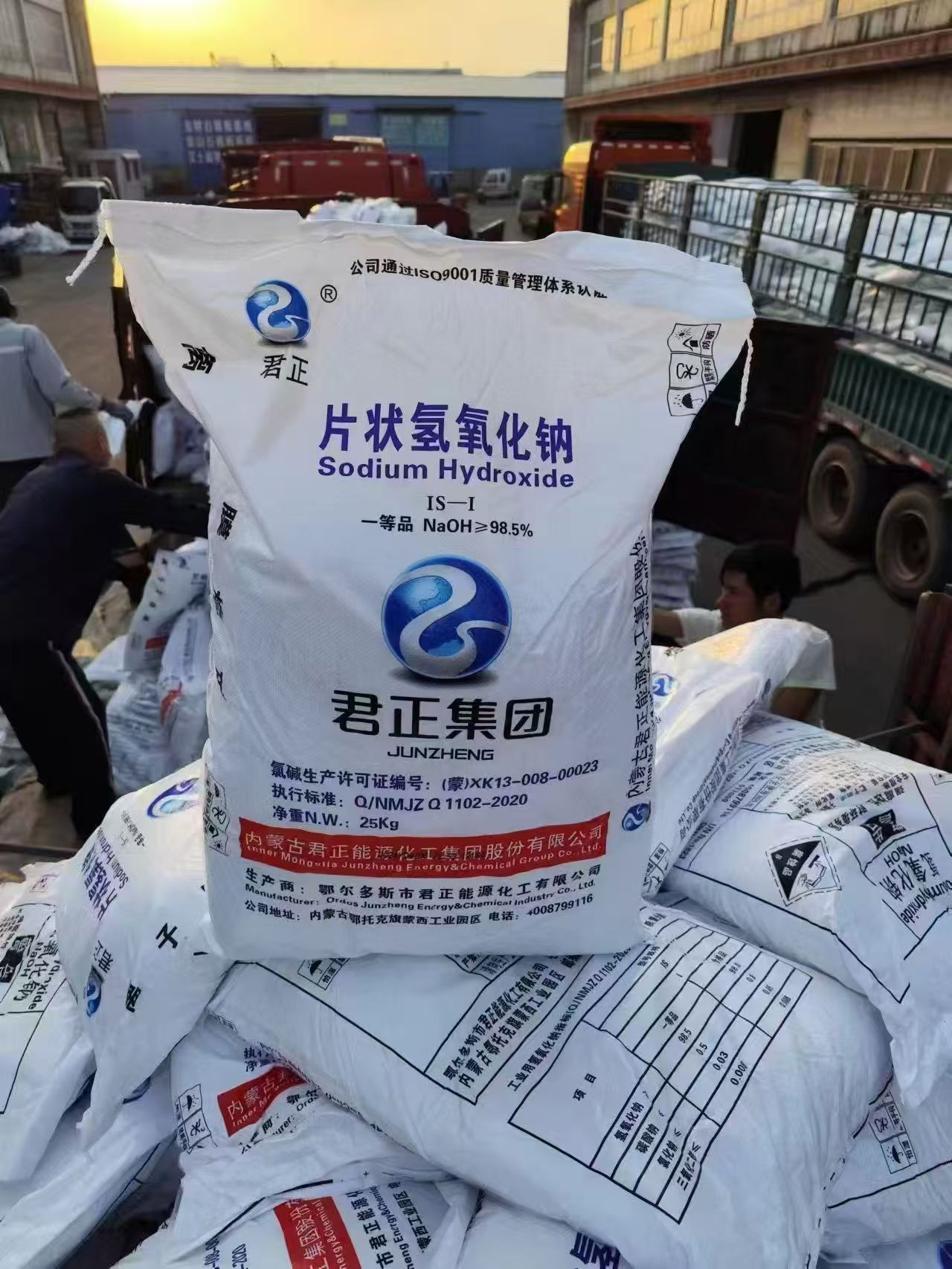
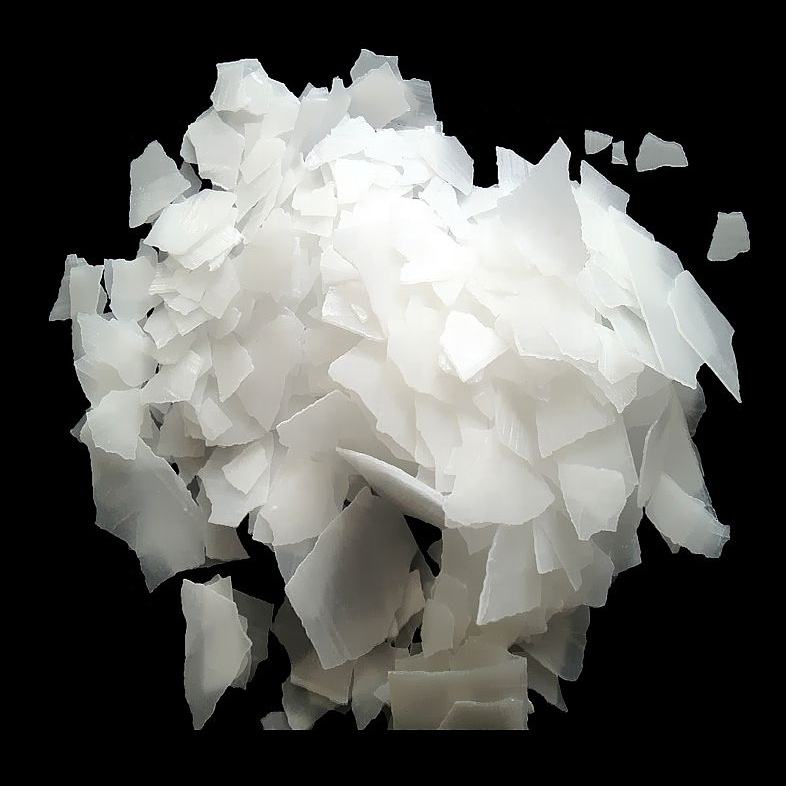
🔬 Basic Chemical Properties: Chemical formula NaOH, CAS No. 1310-73-2, white flaky solid, deliquescent.

📊 Core Physical Parameters: Melting point: 318.4°C; Boiling point: 1390°C; Density: ~2.12 g/cm³.

💧 Solubility and Reaction Characteristics: Easily soluble in water (exothermally), ethanol, and glycerol; exothermic neutralization with acids; absorbs CO₂ to form sodium carbonate.

🏭 Main Industrial Uses: Papermaking, soap/detergent production, petroleum refining, aluminum smelting (Bayer process), water treatment, chemical manufacturing, etc.

⚠️ Hazard Classification: Class 8.2 alkaline corrosive; non-flammable, but may produce hazards upon reaction with water, acids, and certain metals.

🧤 Safety and Protection: Corrosion-resistant equipment (eyeglasses, gloves, protective clothing) must be worn; store strictly away from acids and flammable materials in a dry place.

⚙️ Production and Quality Standards: The tablets are produced by concentrating the electrolyte using an ion-exchange membrane method; the industrial-grade purity is high (reaching 98.5%).

Sodium hydroxide flakes are highly corrosive chemicals, and their safety guidelines are not just recommendations, but strict operating rules that must be followed.

Health hazards: Solids, dust, or solutions pose a serious risk of burns to the skin, eyes, and respiratory tract; ingestion can be fatal.

First Aid Measures (Critical!):

Skin Contact: Immediately remove contaminated clothing and flush with plenty of running water for at least 15 minutes. Seek medical attention.

Eye Contact: Immediately flush with plenty of running water or saline solution for at least 15 minutes. Seek medical attention.

Ingestion: Do not induce vomiting. Rinse mouth immediately, drink milk or egg white, and seek immediate medical attention.

Storage and Transportation: Store in a sealed container in a cool, dry, well-ventilated, dedicated warehouse. Keep away from acids, flammable materials, and organic compounds. Protect from moisture and damage during transportation.

📝 Standards and application depth in different fields

Industrial applications: the most common. Concentrations are typically 96.5% or 99%, and they are widely used in the aforementioned basic industrial sectors.

Food-grade applications: Require extremely high purity, conforming to national standards such as GB 5175-2008, used for neutralization, cleaning, peeling, etc. in food processing.

试剂级应用:用于实验室,具有明确定义的纯度标准(例如,≥98%),并在产品说明中注明。

河北省沧州市东光县官州路179号

Leave a Reply

Your email address will not be published. Required fields are marked *