General chemicals

PAC for Water Treatment, Poly Aluminium Chloride for Water Treatment

Polyaluminum chloride (PAC) is a water-soluble inorganic polymer that polymerizes primarily through hydroxyl bridging to form highly charged polymeric ring chains, resulting in rapid flocculation and sedimentation. However, it has poor stability and is somewhat corrosive.

Its products are distinguished by use, color and form, with key indicators mainly being alumina content and basicity.

PAC is categorized by color and application:

White PAC: Food grade, high purity raw materials, used in paper sizing, pharmaceuticals, cosmetics, etc.

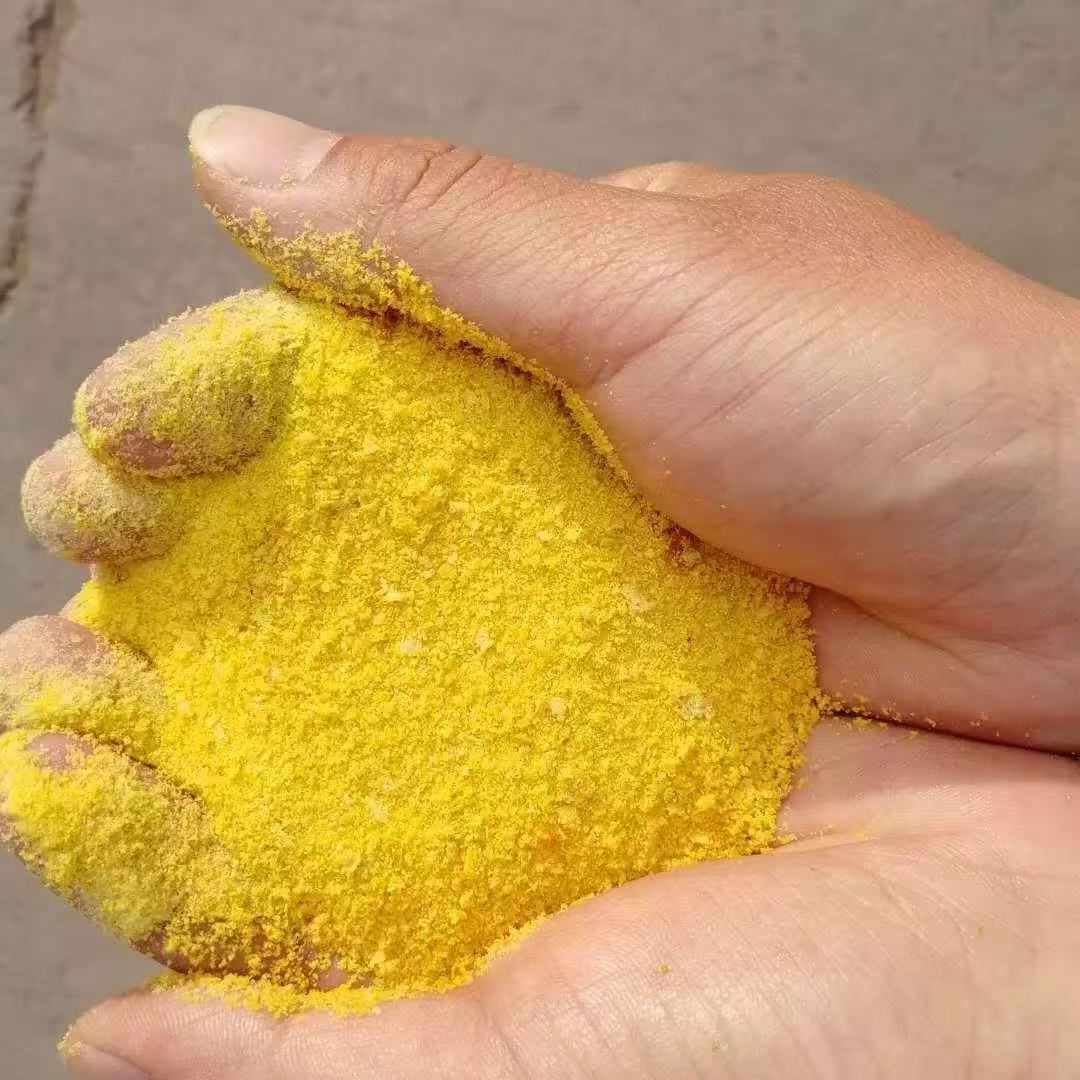
Yellow PAC: Drinking water treatment grade, with strict limits on heavy metal content.

Brown PAC: Industrial grade, mainly used for wastewater treatment.

Implementation Standard:

Industrial Grade: Usually refers to the chemical industry standard HG/T 2677-2017.

Price: In 2025, the domestic industrial-grade solid PAC (content ≥28%) market was weak, with an average price of RMB 1711.67/ton at the end of the year, a decrease of 3.75% for the year.

Supply and Demand: Production capacity is concentrated in Henan and Shandong provinces. Demand mainly comes from water treatment. With the advancement of environmental protection policies, the recovery of industries such as papermaking and dyeing will drive demand. The market is expected to show a fluctuating recovery pattern in 2026.

Main Application Areas

Core Area (Water Treatment): Used for drinking water purification and industrial wastewater treatment, effectively removing turbidity, color, and heavy metal ions. Large-scale use is seen in industrial wastewater treatment in steel mills and other industries.

Other Areas: Also used in papermaking (sizing agent), sugar refining (decolorization), petroleum (drilling aid), precision casting, etc.

 Safety, Storage, and Handling

Safety Protection: Due to its corrosive nature, production operators must wear work clothes, masks, gloves, and rubber boots.

Storage Requirements: Must be stored in a cool, dry, and well-ventilated place, strictly protected from moisture and sunlight.

Preparation and Use: Solid products are usually dissolved in water at a 1:3 ratio to form a liquid, then diluted 10-30 times before use. The optimal dosage needs to be determined through small-scale testing.

Leave a Reply

Your email address will not be published. Required fields are marked *